How Grassroots Investment Catapulted Netherlands Women to Their First T20 World Cup
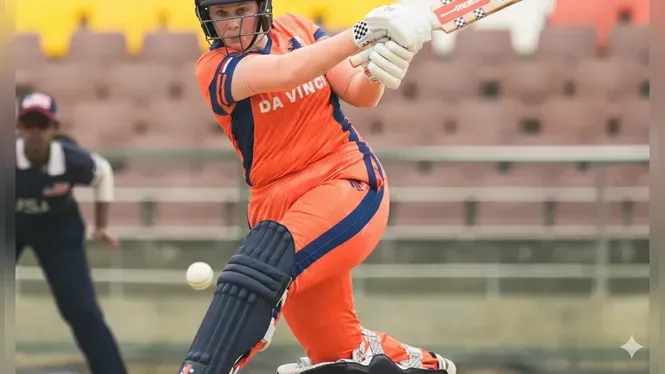
The Netherlands women's cricket team scripted history on Wednesday by securing their maiden ICC Women's T20 World Cup qualification, defeating the United States by 21 runs via the DLS method in a rain-affected Global Qualifier match in Nepal. This watershed moment culminates a decade-long strategic investment by the Royal Dutch Cricket Federation (KNCB) in youth development, domestic structures, and athlete recruitment - offering emerging cricket nations a proven roadmap for success.
The Decisive Moment: Netherlands Overcome USA in Nail-Biter
In the crucial Super Six stage match at Kirtipur, the Dutch team held their nerve against tournament hosts USA to secure qualification for the 2026 ICC Women's T20 World Cup. Persistent rain interruptions created a tense DLS calculation scenario, but Netherlands' disciplined performance ensured their 21-run victory margin stood firm. The win eliminated USA from contention while cementing Netherlands' place alongside Bangladesh in the global tournament.
KNCB's Blueprint: Building Champions from the Ground Up
The Royal Dutch Cricket Federation (founded September 30, 1883) executed a systematic development program that transformed women's cricket:
Youth Academy Infrastructure
KNCB established regional talent hubs identifying athletic prospects from age-group levels. This pipeline steadily fed into national team preparations through structured coaching programs.
Domestic Competition Framework
A competitive T20 league system provided continuous high-pressure match scenarios, allowing players to develop tactical maturity crucial for international success.
Cross-Sport Talent Conversion
Strategic recruitment of athletes from hockey, softball, and other field sports helped rapidly expand the player pool with transferable skills.
Historic Implications for Associate Nations
The Netherlands' qualification breaks the traditional dominance of established cricketing nations in women's tournaments. Their achievement demonstrates how strategic planning and sustained investment can help associate members compete at the highest level despite limited historical cricket infrastructure.
The Road Ahead: Global Tournament Expectations
As first-time qualifiers for the 2026 ICC Women's T20 World Cup, the Dutch team now faces the challenge of transitioning from developmental success to global competitiveness. Their qualification journey provides valuable lessons in:
- Creating sustainable talent pathways without massive resources
- Adapting multi-sport athletes to cricket-specific demands
- Designing tournament preparation cycles for part-time athletes
- Leveraging ICC development programs effectively
Contrasting Journeys: Netherlands vs Bangladesh
While the Netherlands celebrates its debut qualification, co-qualifier Bangladesh extended its consistent presence in the tournament since 2014. This contrast highlights two distinct development models - Bangladesh's longer-established cricket culture versus Netherlands' targeted performance system.
Impact on Women's Cricket Landscape
The Dutch breakthrough intensifies pressure on traditional powerhouses while inspiring other developing nations. It proves World Cup qualification is achievable through:
1. Long-term federation commitment (10+ year plans)
2. Integration of junior and senior programs
3. Smart resource allocation to women's cricket
4. Leveraging domestic and regional competitions
Conclusion: A New Era for Global Cricket
The Netherlands' watershed qualification validates KNCB's patient institution-building approach in women's cricket. As the team prepares for their 2026 World Cup debut, their journey stands as a testament to strategic planning and systematic development - offering associate nations a replicable model to challenge cricket's established hierarchy through sustainable means rather than short-term fixes.