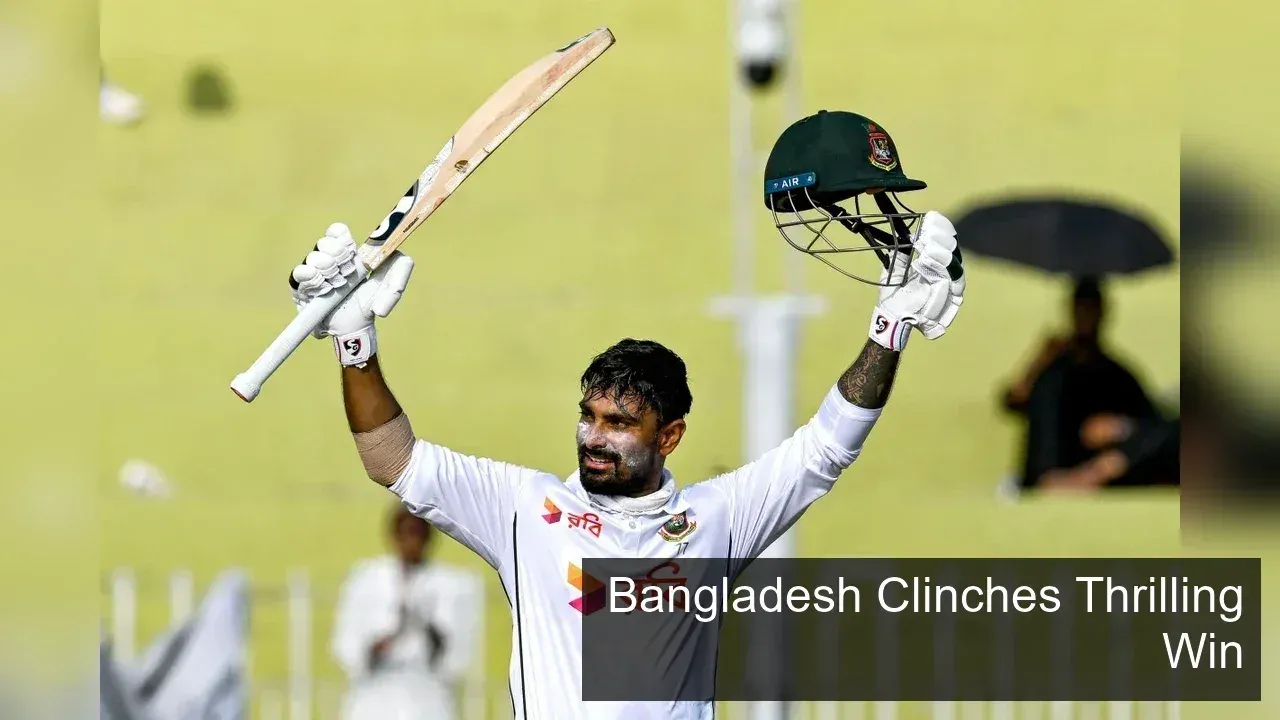
KKR's Communication Breakdown: Litton Das' Silent Exit Reveals IPL Management Flaws
An analysis of the systemic player management failures within the Kolkata Knight Riders, focusing on the lack of support for Litton Das and the broader implications of player welfare during the tournament.
The internal dynamics of a high-pressure franchise often hide the fractures that lead to abrupt player departures. In the case of Litton Das and the Kolkata Knight Riders (KKR), the silence surrounding his exit serves as a critical case study in communication breakdown. While the team continues to pursue competitive goals, the lack of visible support for Litton Das highlights a systemic flaw in how the organization manages its personnel during the grueling IPL schedule.
The Human Cost of High-Performance Culture
Player welfare is often overshadowed by the immediate need for victory. For Litton Das, the experience with KKR became a reflection of poor support, where the gap between tactical requirements and player well-being widened. This disconnect is evident when comparing the public celebration of wins to the private struggles of players who find themselves on the periphery of the squad. The abrupt nature of Litton Das' departure suggests a failure in the franchise's ability to provide a supportive environment, leaving a player to exit without a clear narrative of transition or care.
Operational Failures and the Burden of Injury
The management flaws at KKR are not limited to a single player but extend to how the team handles physical tolls and workload. The vulnerability of the squad is exemplified by the situation involving the KKR mystery spinner, who sustained a left toe hairline fracture. This injury occurred during a match against Delhi Capitals on 8 May. The fact that workload concerns for the mystery spinner have begun to overshadow the team's playoff push indicates a reactive rather than proactive approach to player health.
When a franchise fails to communicate effectively with a player like Litton Das, it often mirrors the same systemic negligence seen in the handling of injuries. The hairline fracture sustained on 8 May by the mystery spinner serves as a tangible example of the physical risks players face, which, when coupled with a lack of emotional and professional support, creates a volatile environment for athlete longevity.
Contrasting Success with Internal Instability
On the surface, KKR maintains a trajectory of success. The team recently secured a victory against the Gujarat Titans in a match played at Eden Gardens. During this encounter, Finn Allen contributed to the effort with a blistering 9 runs. However, these flashes of brilliance and match wins often mask the underlying instability in player management. The contrast between Finn Allen's contribution at Eden Gardens and the silent exit of Litton Das reveals a dichotomy where the "winning" product is prioritized over the individual welfare of the players.
The victory over Gujarat Titans may bolster the team's standing, but it does not erase the communication void that defined Litton Das' stint. A franchise that can celebrate a win at Eden Gardens while simultaneously failing to support a player through a difficult period is one that views its athletes as interchangeable assets rather than human beings requiring comprehensive management.
Conclusion: The Need for a Management Pivot
The departure of Litton Das is more than a roster change; it is a symptom of a deeper organizational issue within KKR. From the poor support experienced by Litton Das to the workload concerns and the left toe hairline fracture suffered by the mystery spinner on 8 May, the patterns are clear. The Kolkata Knight Riders must reconcile their pursuit of victory—such as the win against Gujarat Titans—with a modernized approach to player welfare.
Until the franchise addresses these communication breakdowns and implements a robust support system, the risk of further silent exits and avoidable injuries will remain. The lesson from Litton Das' experience is that without transparent communication and genuine support, the prestige of playing at Eden Gardens is not enough to sustain a player's professional well-being.