Ben Stokes' Coaching Debut: A Strategic Move to Shape England's Future Leadership?
From Ashes Injury to Coaching Bench
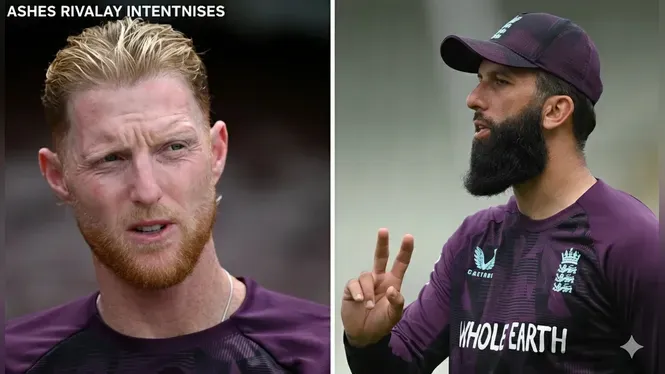
England Test captain Ben Stokes is trading his bat for a coaching clipboard in a strategic career pivot. The 34-year-old all-rounder will join Moeen Ali on England Lions' coaching staff during their white-ball series against Pakistan Shaheens in Abu Dhabi next month. While officially part of Stokes' rehabilitation from an Ashes tour injury, this move signals deeper leadership development plans within English cricket.
The Dual Challenge Facing English Cricket
Problem 1: Leadership Pipeline Demands Fresh Blood
England's cricket hierarchy faces mounting pressure to develop next-generation leaders. With Stokes approaching his mid-30s and recent high-profile retirements, the ECB needs proven winners to mentor emerging talent. The Lions program - England's developmental squad - hasn't played T20 matches since 2018, creating gaps in preparing players for modern cricket's demands.
Problem 2: Managing Veteran Transitions
Stokes' persistent injury concerns following the Ashes tour highlight the physical toll on veteran players. Traditional rehabilitation methods often leave valuable experience untapped during recovery periods. The ECB appears determined to maximize elite players' contributions beyond their active playing years.
ECB's Innovative Player-Coach Solution
Solution 1: Real-World Leadership Laboratory
Under Andrew Flintoff's supervision, Stokes will gain hands-on coaching experience with England's future stars during the February-March series. This three-match T20 and five-match 50-over contest marks Stokes' first formal coaching role since becoming Test captain in 2022. The UAE assignment serves dual purposes:
- Physical rehabilitation in warm conditions
- Leadership skills development through mentoring
Solution 2: Creating Player-Coach Hybrids
Moeen Ali's simultaneous appointment suggests a structured approach to transitioning veteran players. Both World Cup winners bring recent high-pressure tournament experience to the Lions setup. Their presence completes a coaching triangle with Flintoff, offering young players diverse perspectives on:
- White-ball strategy development
- Managing international careers
- Performing under extreme pressure
Strategic Implications Beyond Rehabilitation
Building England's Leadership DNA
This coaching experiment aligns with ECB's increased focus on succession planning. Stokes' temporary role allows selectors to evaluate his coaching aptitude while maintaining his connection to the national setup during recovery. The Pakistan series becomes a testing ground for innovative leadership development strategies that could shape:
- Future captaincy candidates
- Specialist coaching recruitment
- Player transition protocols
Redefining Player Career Pathways
By integrating active players into coaching roles, England creates natural mentorship opportunities. Young Lions players gain direct access to current international stars, while veterans like Stokes and Ali explore post-playing careers without leaving the ecosystem. This approach mirrors successful player-coach models seen in rugby and football.
The Flintoff Factor in Leadership Development
Andrew Flintoff's presence as lead coach adds critical context to Stokes' appointment. Having navigated his own transition from England superstar to media personality and now coach, Flintoff provides the ideal mentor for Stokes' potential dual-role future. Their collaboration could establish new templates for:
- Player-to-coach certification pathways
- Injury period utilization protocols
- Leadership handover processes
What This Means for England's Future
The UAE coaching experiment represents more than convenient injury management. ECB appears to be stress-testing the player-coach hybrid model with its most influential current cricketer. Success could lead to:
- Formal player-coach positions in England setup
- Structured leadership apprenticeships for senior players
- Integrated development programs across formats
Potential Long-Term Outcomes
Should Stokes thrive in this temporary role, selectors may consider expanding his responsibilities during future injury periods. The arrangement creates opportunities for gradual leadership transitions rather than abrupt retirements. For Moeen Ali, this appointment continues his post-retirement influence on England's white-ball vision after his 2023 ODI retirement.
A New Model for Global Cricket?
England's innovative approach could influence other cricket nations if successful. The player-coach hybrid model addresses multiple modern challenges:
- Retaining institutional knowledge
- Maximizing player value throughout careers
- Creating seamless leadership transitions
As Stokes begins his coaching journey alongside Ali and Flintoff, the cricketing world watches whether this becomes a blueprint for nurturing future leaders or remains an injury rehabilitation experiment.