New Zealand's Tactical Shuffle: How Ferguson & Neesham's Return Reshape IND vs NZ 4th T20I Strategy
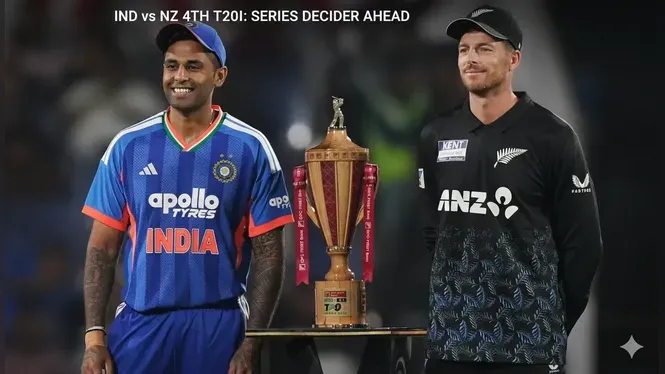
Problem: Kiwis Find Solutions Against India's Batting Juggernaut
As New Zealand entered the fourth T20I at Dr. Y.S. Rajasekhara Reddy ACA-VDCA Cricket Stadium in Visakhapatnam trailing 3-0, their squad overhaul revealed deeper strategic priorities. The Black Caps addressed twin challenges: containing India's explosive batting lineup led by Suryakumar Yadav and Abhishek Sharma, while testing World Cup combinations - ultimately securing a 50-run victory to make the series 3-1.
The series had exposed New Zealand's bowling vulnerabilities on batting-friendly Indian pitches. India's top order dominated the first three matches, with Sharma achieving the rare feat of zero dot balls during his 20-ball 68. The release of Tim Robinson and Kristian Clarke paved way for Lockie Ferguson and James Neesham's impactful return.
Solution: Experience Trumps Experimentation
New Zealand's recall of Lockie Ferguson and James Neesham proved decisive in their series-respecting victory:
1. Ferguson's Pace Arsenal
The express pace of Lockie Ferguson countered India's aggressive strokeplay, his 150kph+ deliveries claiming crucial wickets during powerplay overs where Sharma and Ishan Kishan had previously dominated.
2. Neesham's Tactical Flexibility
James Neesham's all-round performance strengthened New Zealand's death-over capabilities against India's Kuldeep Yadav and Ravi Bishnoi, directly addressing a critical weakness exposed earlier in the series.
Strategic Implications for World Cup Preparation
This tactical shuffle validated three key World Cup priorities for New Zealand:
1. Death Bowling Reinforcement
Ferguson's Yorkers and Neesham's slower balls contained India's chase of 216, with the Vizag pitch's batting-friendly reputation providing the ideal testing ground for high-pressure death bowling strategies.
2. Middle-Order Stability
Neesham's firepower against India's spin trio proved crucial for middle-over acceleration, successfully countering India's tactic of using Kuldeep Yadav in the 12th-16th over window.
3. Pace Battery Management
Ferguson's impactful return confirmed New Zealand's preference for raw pace over containment bowling in subcontinent conditions, despite Matt Henry and Kyle Jamieson's earlier struggles.
India's Missed Opportunities in Dead Rubber
While having secured the series, India's 50-run defeat highlighted lingering concerns:
1. Samson's Missed Chance
Sanju Samson's inconsistent performances continued under scrutiny, failing to capitalize on his final opportunity to secure the wicketkeeper-batsman role before World Cup selection.
2. Middle-Order Questions
Despite Shivam Dube's blazing half-century (55 off 27 balls), India's chase collapsed from 72/2 to 165 all out, raising questions about finishing capabilities against Ferguson's pace and Neesham's variations.
3. Bowling Combinations
India's decision to rest Jasprit Bumrah backfired as New Zealand posted 215/5, though Arshdeep Singh and Harshit Rana showed promise against Rachin Ravindra and Glenn Phillips.
Vizag Pitch Dynamics
The ACA-VDCA Stadium's flat track favored batsmen as expected, with dew factor influencing the 7:00 PM IST start after a 6:30 PM IST toss. New Zealand's decision to bat first proved correct, defying the chasing trend established in previous matches.
Key Player Battles Decided
1. Ferguson vs Sharma
The pace ace's return curtailed Abhishek Sharma's dominance, limiting the opener to just 11 runs off 9 balls before dismissal.
2. Neesham vs Kuldeep
Neesham's recall specifically neutralized India's spin threat, his 17-ball 24 against Kuldeep Yadav maintaining New Zealand's momentum during middle overs.
3. Santner's Captaincy Execution
New Zealand skipper Mitchell Santner optimized his new resources effectively, with Ferguson's powerplay overs and Neesham's death bowling proving decisive in the 50-run victory.
World Cup Selection Subplots Intensify
The dead rubber transformed into a live selection trial with World Cup implications:
New Zealand's Answers
- Ferguson's fitness validated for back-to-back matches
- Neesham cemented primary all-rounder status
- Conway/Seifert opening combination showed stability
India's Concerns
- Samson vs Kishan debate tilts toward Kishan
- Third spinner slot between Axar Patel and Varun Chakaravarthy remains unresolved
- Bumrah's absence exposed death bowling vulnerabilities
Tactical Outcomes: Match Analysis
1. Aggressive Powerplays: New Zealand's 58/1 in first six overs set the tone, while Ferguson's early strikes reduced India to 33/2.
2. Spin Neutralization: Neesham and Glenn Phillips' 52-run partnership against Kuldeep and Bishnoi demonstrated successful spin countermeasures through unconventional shot-making.
3. Death Bowling Dominance: Ferguson's 3/32 and Neesham's economical final overs restricted India despite Dube's late surge, offering World Cup rehearsal value.
Conclusion: Beyond the Scoreline
New Zealand's squad reshuffle transformed the Visakhapatnam encounter from a series footnote into a 50-run statement victory. The Ferguson-Neesham recall provided immediate solutions to India's batting dominance while offering long-term World Cup insights. For India, the defeat highlighted unresolved selection dilemmas despite the series advantage.
As both teams eye the bigger prize, the IND vs NZ 4th T20I served as a tactical laboratory. While the series stands at 3-1, the performances of recalled veterans and under-pressure stars - particularly New Zealand's pace-spin balance and India's middle-order fragilities - will echo through both teams' World Cup preparation blueprints.