How West Indies' T20 World Cup Squad is Tailored to Conquer Subcontinental Pitches
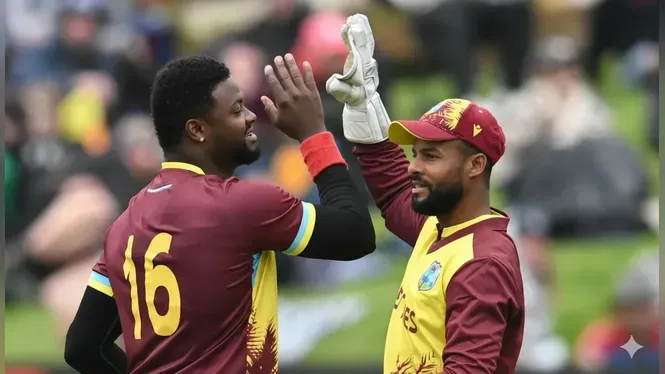
The West Indies cricket team has unveiled a strategically crafted squad for the 2026 ICC Men's T20 World Cup, with every selection specifically designed to counter the spin-friendly conditions of host nations India and Sri Lanka. Captain Shai Hope will lead an experienced 15-man squad into battle when the tournament begins on February 7 across the subcontinent.
The Subcontinental Challenge: West Indies' Tactical Problem
Cricket West Indies conducted an extensive assessment process focused entirely on preparing for the unique challenges posed by Asian pitches. The selection committee faced three critical problems:
1. Spin Dominance: Indian and Sri Lankan pitches traditionally favor slow bowlers, requiring specialized batting techniques
2. High Humidity Conditions: February/March tournaments in South Asia demand exceptional fitness levels
3. Tournament Format Pressure: Group C matches against England, Nepal, Italy and Scotland require tactical flexibility
West Indies' Strategic Solutions Through Squad Selection
Batting Order Engineered for Spin
The selectors prioritized players with proven track records against quality spin bowling. This explains the notable exclusion of power-hitter Evin Lewis, whose struggles against turning deliveries in previous Asian tours likely influenced the decision. Instead, the squad features technically sound batsmen capable of rotating strike and playing late against slow bowlers.
Bowling Attack Tailored for Asian Pitches
West Indies bolstered their spin options while maintaining their trademark pace threat. The inclusion of Sampson provides additional slow-bowling variety crucial for middle-over containment. Meanwhile, the absence of injured quick Alzarri Joseph (confirmed through squad announcement reports) creates opportunities for other pace bowlers to step up in crucial powerplay and death overs.
Leadership and Experience Balance
Shai Hope's appointment as captain brings tactical acumen developed through numerous subcontinental tours. His leadership credentials include understanding Asian pitch behavior and managing bowling rotations during critical phases. The squad maintains experience with multiple players having previous World Cup exposure while injecting fresh talent specifically groomed for these conditions.
Tournament Preparation Roadmap
The selected squad will immediately begin their World Cup preparations with a three-match series against South Africa starting Tuesday. This series serves as crucial match practice ahead of their tournament opener against Scotland on February 7 in Kolkata - a venue known for its batting-friendly surface that still offers assistance to skilled spinners.
Group Stage Tactical Outlook
Drawn in Group C alongside England, Nepal, Italy and Scotland, West Indies face varied challenges:
- England clash: A high-stakes battle requiring adaptability between pace-heavy and spin-dominant lineups
- Associate nation matches: Demanding tactical flexibility against less familiar opponents
- Kolkata conditions: Understanding Eden Gardens' unique dew factor in night matches
Selection Surprises and Omissions
The squad announcement video released by Cricket West Indies on January 26 revealed several strategic decisions:
- Sampson's inclusion: Adds depth to both batting and spin bowling departments
- Evin Lewis exclusion: Signals shift from pure power-hitting to technical proficiency
- Alzarri Joseph's injury: Creates opportunity for other pace options to emerge
Historical Context of West Indies in Asia
As two-time T20 World Cup champions, West Indies understand the importance of adapting to local conditions. Their 2012 triumph included crucial wins in Asian conditions, while recent performances have shown vulnerability against quality spin attacks. This squad appears designed specifically to address those historical weaknesses through:
- Improved running between wickets
- Enhanced sweep and reverse-sweep capabilities
- Greater bowling variations for different pitch conditions
The Road to Redemption
With the tournament running from February 7 to March 8 across India and Sri Lanka, West Indies have precisely six months to refine their subcontinental game plan. The selection committee's focused approach suggests they've learned from previous Asian tours where:
- Slow over rates proved costly
- Inability to rotate strike against spin created pressure
- Death bowling inconsistencies leaked crucial runs
Expert Analysis: What This Squad Reveals
Cricket analysts highlight three key strategic takeaways from the squad announcement:
1. Pitch-specific preparation: Unusual focus on conditions rather than reputation
2. Multi-dimensional players: Preference for all-round capabilities over specialists
3. Tournament scheduling awareness: Squad depth for back-to-back matches in humid conditions
Fan Expectations and Team Legacy
West Indies fans anticipate a strong showing from this carefully constructed squad. The team carries not just hopes for a third T20 World Cup title, but also the responsibility of restoring Caribbean cricket pride after recent tournament disappointments. With their first match scheduled against Scotland in Kolkata, the squad has immediate pressure to validate the selectors' faith in their subcontinental capabilities.
Weathering the Subcontinental Storm
The February-March tournament window presents unique environmental challenges beyond just pitch conditions. Squad members must contend with:
- Early morning humidity in coastal venues
- Dew factor in night matches affecting ball grip
- Travel fatigue across multiple Indian/Sri Lankan cities
This explains the emphasis on athletic fielders and players with previous Asian touring experience in the final selection.
The Verdict: A Calculated Gambit
Cricket West Indies has clearly prioritized conditions over conventional wisdom in their squad selection. By choosing players specifically equipped for subcontinental challenges rather than relying solely on big names, they've created a team that could potentially defy expectations. As Shai Hope leads his men into battle against Scotland on February 7, the world will discover whether this pitch-specific strategy pays dividends in their quest for a third T20 World Cup crown.