How Kohli & Rohit's Domestic Stint Boosts Grassroots Cricket: Scouting Revolution in India?
The Problem: Invisible Talent in India's Domestic Circuit
For years, India's domestic cricket tournaments operated in relative obscurity. Young talents battled in near-empty stadiums with limited media coverage, while established stars focused exclusively on international duties. This disconnect created a glaring gap - aspiring cricketers rarely shared dressing rooms with icons, and scouts struggled to assess talent without high-pressure reference points.
The Game-Changing Policy Shift
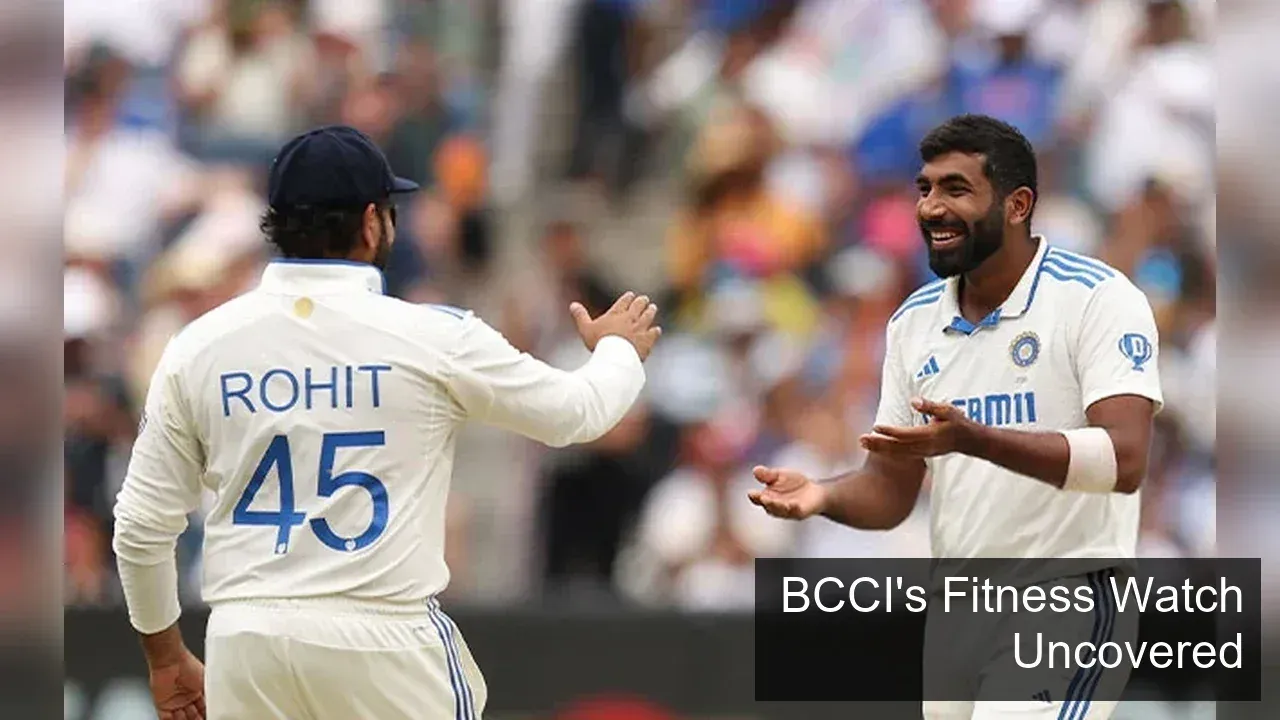
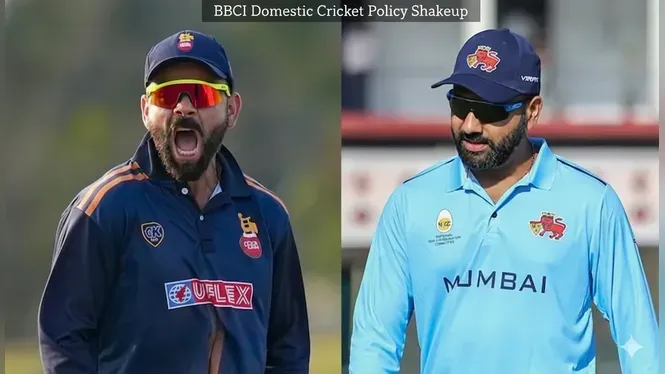
The Board of Control for Cricket in India (BCCI) has implemented a landmark mandate: all centrally contracted players must now participate in domestic tournaments during breaks from national duty. This decision followed Virat Kohli's explosive 131 in the Vijay Hazare Trophy (his first domestic 50-over appearance in 15 years) and Rohit Sharma's blistering 155 off 94 balls in the same tournament.
Immediate Impact on Grassroots Visibility
The "Kohli-Rohit Effect" triggered unprecedented demand, forcing BCCI to overhaul its broadcasting strategy. Domestic matches featuring these icons now draw viewership numbers rivaling international games, exposing scouts to previously overlooked talents. Emerging players like Washington Sundar - currently rehabilitating at BCCI's Center of Excellence (CoE) - now operate within an ecosystem where elite mentorship happens organically.
Dressing Room Dynamics Transformed
Young cricketers now experience direct knowledge transfer previously reserved for national camps. A Ranji Trophy rookie can discuss batting techniques with Kohli over lunch. A Vijay Hazare Trophy bowler receives real-time feedback from Rohit Sharma during net sessions. This unprecedented access creates measurable improvements:
- Technical refinements observed in academy prospects training alongside stars
- Increased competitive intensity during domestic matches
- Enhanced mental resilience from observing elite preparation routines
Scouting System Overhaul
Talent identification has entered a new era with scouts now analyzing:
- How youngsters perform under heightened media attention
- Ability to adapt techniques when facing international-grade bowling
- Mental composure during partnerships with established stars
The Road to T20 World Cup 2026
This policy aligns with India's preparation for the 2026 T20 World Cup. Players like Washington Sundar - recently spotted batting in BCCI CoE nets during rehabilitation - exemplify the system's new focus. The extended exposure allows selectors to evaluate candidates in high-pressure domestic scenarios rather than relying solely on IPL performances.
Broadcasting Challenges & Solutions
BCCI secretary Devajit Saikia acknowledged initial hurdles in televising star-studded domestic games, citing existing broadcast commitments. However, the overwhelming response to Kohli and Rohit's Vijay Hazare Trophy appearances has accelerated infrastructure upgrades to ensure wider coverage of domestic tournaments.
Aspiring Cricketers' Action Plan
The new landscape offers concrete opportunities for grassroots players:
- Leverage domestic tournaments as showcases with guaranteed star presence
- Develop adaptability to play multiple roles when sharing lineups with specialists
- Study elite players' training regimens during joint practice sessions
Sustaining the Momentum
While the policy faces challenges like scheduling conflicts and broadcast logistics, its early success suggests permanent transformation. The fusion of star power and domestic cricket has created India's most effective talent pipeline since the inception of the IPL, with the BCCI domestic cricket policy now serving as the foundation for the nation's cricketing future.