IPL 2026 Final: Bengaluru Police Advisory Sparks Safety Debate
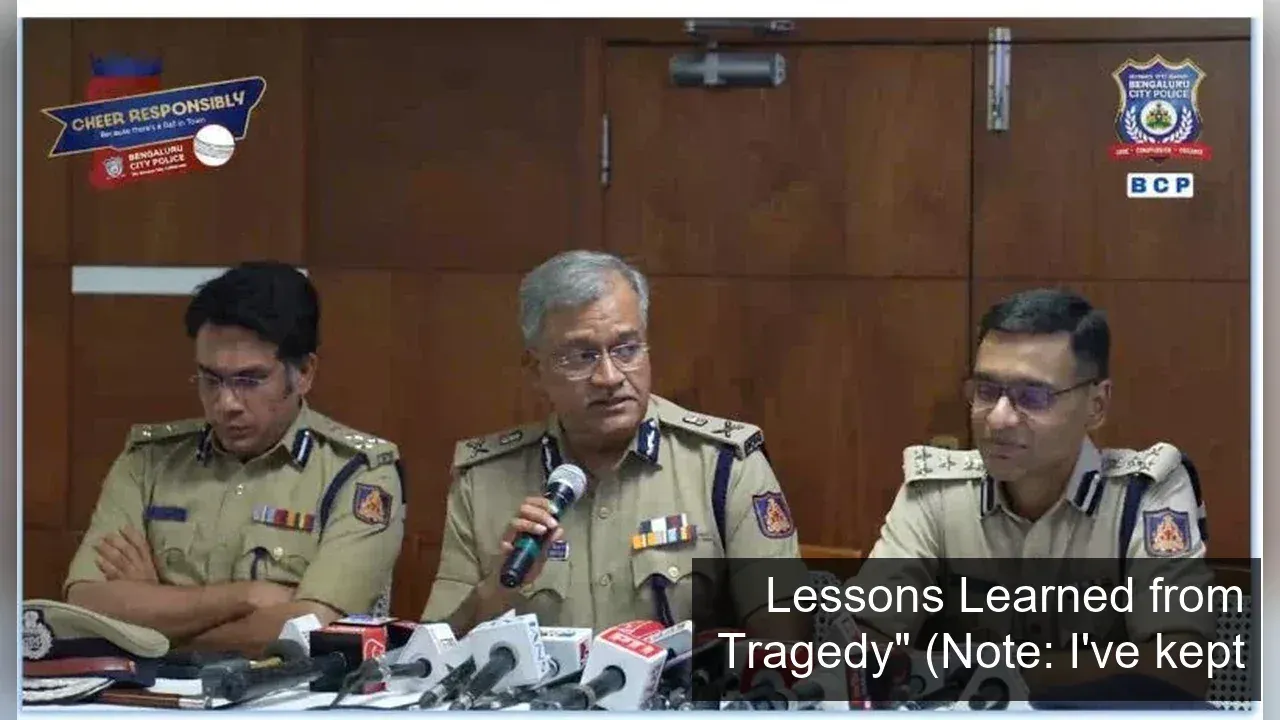
Following RCB's second IPL title win, the Bengaluru Police have implemented strict security curbs to prevent public nuisance. These measures are a direct response to the tragic 2025 stampede that claimed 11 lives during previous celebrations.
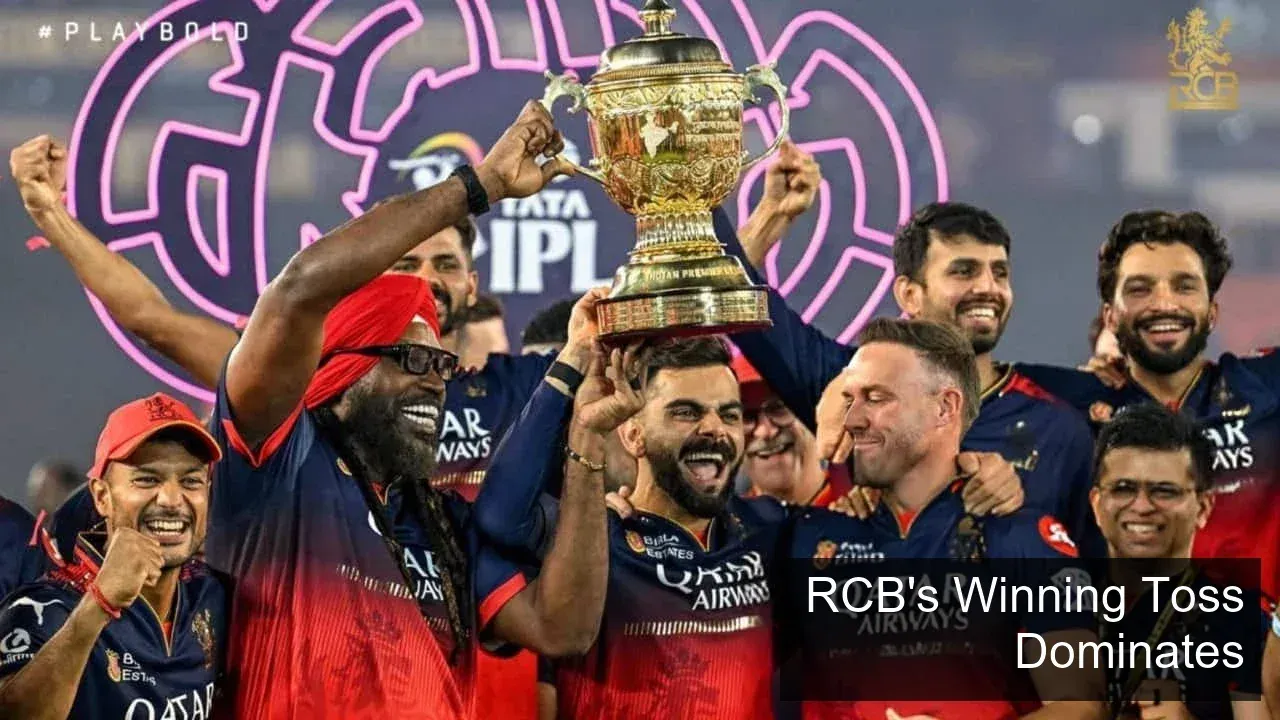
The euphoria of Royal Challengers Bengaluru (RCB) clinching their second IPL title has been met with a rigorous security framework designed to prioritize public safety over unrestrained celebration. After defeating the Gujarat Titans by five wickets at the Narendra Modi Stadium in Ahmedabad, the city of Bengaluru became a focal point for victory festivities. However, the atmosphere of triumph is tempered by a stringent police advisory, as authorities seek to avoid a repeat of the catastrophic events that occurred during the franchise's first title win.
The Shadow of 2025: A Catalyst for Change
The current security posture adopted by the Bengaluru Police is deeply rooted in the historical context of the 2025 season. During the celebrations of RCB's maiden IPL title win in 2025, a stampede occurred outside the M Chinnaswamy Stadium. This tragic incident resulted in the deaths of 11 people and left over 50 individuals injured. The scale of that disaster has fundamentally altered how the city manages large-scale sporting celebrations, transforming the 2026 victory into a test of urban crowd management and public safety protocols.
Strategic Deployments and Public Curbs
To ensure there is no nuisance in public areas, the Bengaluru Police have established adequate security arrangements across various important sectors of the city. Akshay M Hakay, DCP, Central Division, confirmed that specific police deployments have been made at several key locations, including MG Road. These measures are intended to ensure the safety of the public during post-match celebrations and to prevent any inconvenience to the general citizenry.
The operational strategy for the 2026 final celebrations includes active vehicle checking and a visible police presence to maintain order. DCP Akshay M Hakay emphasized that the goal is to allow fans to celebrate in a manner that makes everyone safe and happy, while ensuring the city remains proud and orderly. The focus has shifted from mere crowd monitoring to active prevention of public nuisance through strategic positioning of forces in high-traffic zones.
Governmental Support and Public Compliance
The state government has aligned itself with the police advisory to ensure maximum compliance. Karnataka Chief Minister Siddaramaiah, while hailing the fiery performance of the RCB team, explicitly advised the public to follow the safety guidelines issued by the state police. In a post on X, the Chief Minister stressed that for the safety and care of the citizens, these guidelines must be followed without fail.
The Chief Minister's endorsement of the police measures underscores the gravity of the safety concerns. By linking the joy of the victory—noting that the cup is ours once again—with the necessity of following police directives, the administration is attempting to balance the festive atmosphere with the non-negotiable requirement of public security.
Analyzing the 2026 Victory
The victory that triggered these security measures was a hard-fought battle against the Gujarat Titans. RCB's path to their second consecutive IPL title began with a strong 62-run stand between Venkatesh Iyer and Virat Kohli. Despite a fight from the Gujarat Titans, a half-century from Virat Kohli proved pivotal in helping RCB successfully defend their title.
The Chief Minister highlighted the contributions of Rishabh Pant, Bhuvneshwar Kumar, and Virat Kohli, stating that their performances in the final will remain etched in memory for years. This victory marks RCB's second IPL title and their fourth Indian franchise cricket trophy overall, adding to their two Women's Premier League (WPL) titles.
Conclusion: Lessons Learned for Future Finals
The 2026 IPL final serves as a critical case study in the evolution of sports security. The transition from the tragedy of the 2025 stampede to the controlled environment of the 2026 celebrations demonstrates a proactive application of lessons learned. By imposing curbs on public nuisance and deploying forces to areas like MG Road, the Bengaluru Police have shifted the narrative from reactive emergency response to preventative safety management. As RCB continues its success on the field, the city's ability to manage the resulting public fervor will remain a primary concern for state authorities and the police department.