Beyond Visas: How Scotland's Last-Minute T20 World Cup Call-Up Exposes Associate Cricket's Logistical Nightmare
The 11th-Hour Call That Exposed Cricket's Broken System
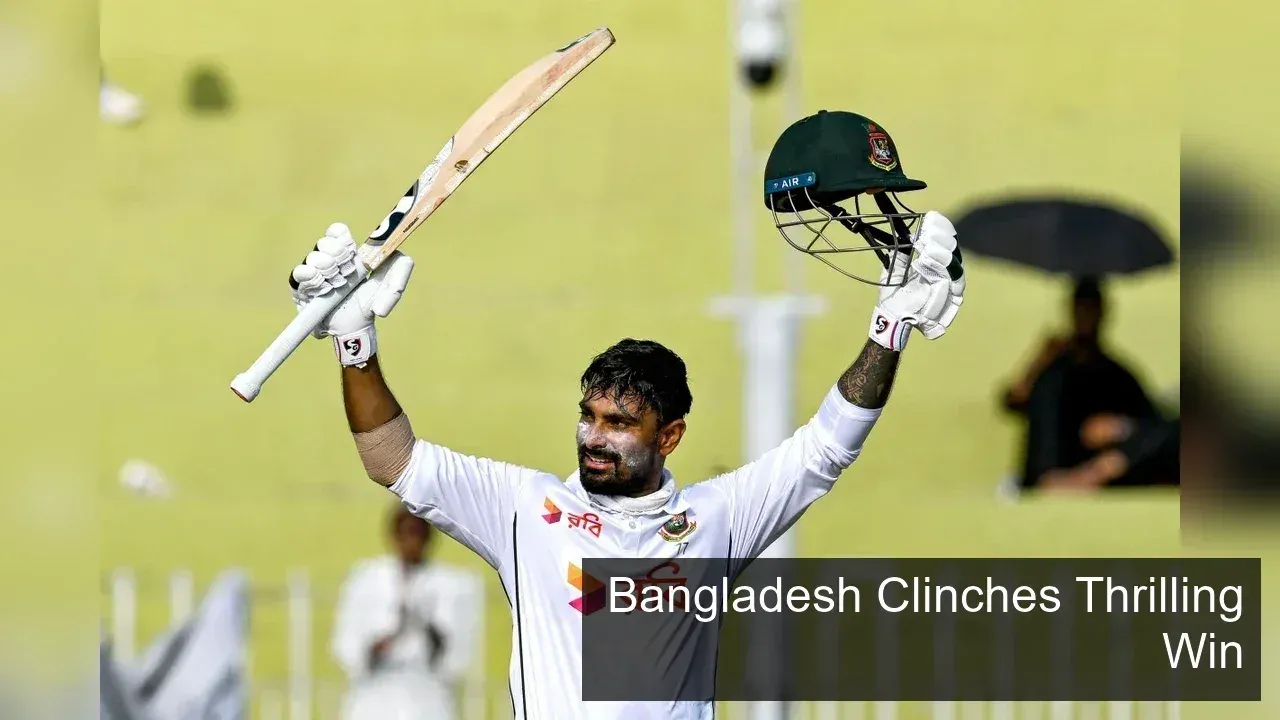
When Bangladesh abruptly withdrew from the 2026 Men's T20 World Cup, Scotland received a dream opportunity with a nightmare catch. Their last-minute inclusion has triggered a desperate scramble for visas, flights, and tournament preparations - exposing how associate nations bear disproportionate burdens in global cricket's high-stakes environment.
The Problem: A Perfect Storm of Logistical Failures
Visa Uncertainty Threatens Tournament Participation
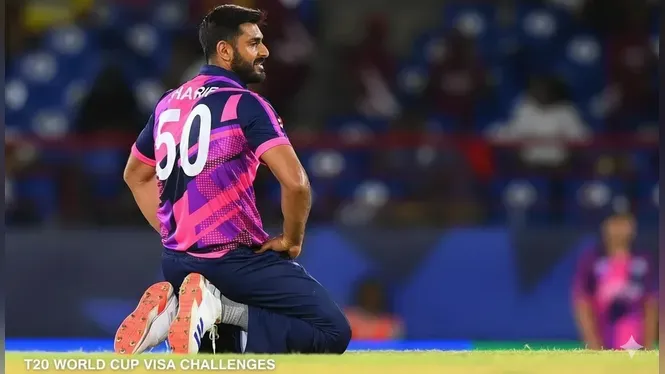
Cricket Scotland CEO Trudy Lindblade maintains confidence about securing Indian visas, but multiple reports confirm players remain in anxious limbo. The situation grows more complex for squad members like the unnamed Pakistani-heritage quick bowler facing additional scrutiny. With no confirmed travel documents days before the tournament, Scotland risks fielding an incomplete team.
Flight Chaos Compounds Scheduling Pressures
Sky Sports reports the team needs flights "to be issued" alongside visas, creating overlapping logistical challenges. Commercial flight availability to tournament venues remains uncertain, potentially forcing expensive charter solutions - a financial burden associate nations can ill afford.
Infrastructure Gaps Highlight Systemic Neglect
Despite having hypothetical contingency plans according to Lindblade, Scotland faces:
- Kit still on order per BBC Sport reports
- No tournament sponsor secured
- Player eligibility issues like Scott Currie's exclusion despite no England caps
The Solution: Scotland's Emergency Response
24/7 Administrative Mobilization
Lindblade confirms Cricket Scotland operates in constant crisis mode: "Working round the clock to make sure Scotland can compete." This includes parallel processing of visa applications, last-minute kit production, and emergency travel coordination.
Leveraging Existing Player Readiness
Unlike test-playing nations with year-round schedules, Scotland's players maintain tournament readiness through:
- Full squad availability despite short notice
- Previous high-pressure experience against Full Members
- Proven ability to perform as underdogs
Strategic Focus Amidst Chaos
The team channels logistical frustrations into competitive motivation. As grouped with England, West Indies, Nepal and Italy, Scotland adopts a "nothing to lose" mentality while pressuring themselves to validate their late inclusion.
The Bigger Picture: Associate Cricket's Recurring Nightmare
Structural Inequalities Laid Bare
Scotland's crisis mirrors challenges facing all associate members:
- No guaranteed tournament revenue streams
- Minimal support for sudden inclusions
- Disproportionate visa hurdles compared to Full Members
The Bangladesh Precedent Problem
Lindblade's acknowledgment that "We do feel for Bangladesh" underscores cricket's unstable tournament framework. Late withdrawals create administrative domino effects that disproportionately impact smaller boards lacking infrastructure buffers.
Player Development Pipeline Risks
Scott Currie's ineligibility despite no England caps reveals flawed nationality rules. Associate nations invest in player development only to lose talents to wealthier boards - a systemic issue requiring ICC intervention.
Path Forward: Fixing Cricket's Broken Ladder
Three Reforms to Prevent Future Crises
- Pre-Approved Travel Protocols: Mandatory visa fast-tracks for all qualified teams
- Contingency Funding Pool: ICC emergency grants for last-minute inclusions
- Associate Infrastructure Grants: Dedicated funding for crisis management systems
Turning Empathy Into Action
While Lindblade's sympathy for Bangladesh demonstrates sportsmanship, associate nations need more than kind words. Scotland's current ordeal provides the ICC with a blueprint for structural reforms that could finally level cricket's notoriously uneven playing field.
Scotland's Make-or-Break Moment
As visa applications linger in bureaucratic limbo, Scotland's cricketers represent more than just their nation. Their ability to overcome these hurdles - or failure to do so - will test global cricket's commitment to being a truly inclusive sport. The world will soon learn whether associate nations compete on the pitch, or drown in paperwork before the first ball is bowled.