Behind the Scenes: How PCB Navigated Political Pressure to Secure Pakistan's T20 World Cup Participation
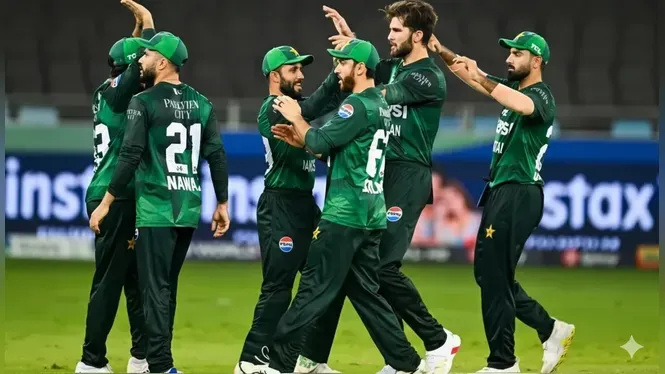
Pakistan’s cricket team will depart for Colombo on February 2 to compete in the T20 World Cup, ending weeks of intense speculation about a potential boycott triggered by geopolitical tensions. The Pakistan Cricket Board (PCB) finalized travel arrangements amid high-stakes political negotiations, ensuring the nation’s participation in the marquee event.
The Looming Boycott Threat
Pakistan’s T20 World Cup participation hung in balance for weeks as government intervention and political posturing dominated headlines. Reports initially suggested the team might boycott the tournament or specifically skip matches against arch-rival India. The uncertainty peaked when Bangladesh’s absence from the event became a flashpoint in regional cricket diplomacy.
Internal PCB communications obtained by media outlets revealed deep divisions within Pakistan’s cricket administration. While some factions pushed for a hardline stance reflecting political tensions, others emphasized contractual obligations to the International Cricket Council (ICC) and the potential consequences of withdrawal.
Cricket Diplomacy in Action
The breakthrough came through backchannel negotiations between PCB officials and government representatives. PCB Chairman Mohsin Naqvi personally met with Pakistan’s Prime Minister to resolve the deadlock. Though exact details remain confidential, sources confirm the discussions focused on balancing national interests with cricket’s global commitments.
“The team has been booked to travel to Colombo,” revealed an insider close to the PCB, indicating the board’s operational preparations continued even during political deliberations. This logistical move created irreversible momentum toward participation while negotiations continued at the highest levels.
The Point of No Return
By booking flights and finalizing the February 2 departure date, the PCB effectively committed Pakistan to World Cup participation. The travel arrangements included detailed scheduling for Sri Lanka-based preparations, including practice matches and potential knockout stage planning – clear signals the board expected full tournament involvement.
This operational decisiveness contrasted sharply with public statements from government officials who had “kept options open” regarding participation. The divergence highlighted cricket administration’s delicate balancing act between sporting imperatives and political sensitivities.
Silencing the Doubters
As speculation mounted, even international cricket bodies began contingency planning. Iceland Cricket jokingly offered to replace Pakistan if they withdrew, highlighting the global attention on the situation. However, PCB’s concrete actions – particularly the finalized travel plans – consistently pointed toward participation despite the political theater.
The resolution carries significant implications for future ICC events. By navigating complex geopolitical pressures while honoring tournament commitments, PCB set a precedent for cricket boards operating in politically volatile environments. The outcome demonstrates cricket’s unique position as both a diplomatic tool and a binding international commitment.
The Road to Colombo
With departure confirmed, Pakistan’s squad now focuses on World Cup preparations. Their schedule includes acclimatization in Sri Lanka before moving to tournament venues. The team’s participation not only preserves the tournament’s competitive integrity but also maintains a crucial people-to-people connection between South Asian nations through sport.
While political tensions may continue off the field, PCB’s successful navigation of this crisis ensures cricket fans worldwide will witness Pakistan’s campaign in the T20 World Cup. The episode stands as a testament to cricket’s enduring power to transcend borders, even when political winds blow fiercely.