Beyond the Boycott: How Pakistan's T20 World Cup Standoff Could Reshape ICC Revenue Models
The growing possibility of Pakistan boycotting matches in the 2026 T20 World Cup has exposed critical vulnerabilities in international cricket's economic structure. What began as political posturing over India-Pakistan tensions could trigger seismic changes in how the International Cricket Council (ICC) distributes revenue and awards hosting rights.
The Powder Keg of Politics in Cricket
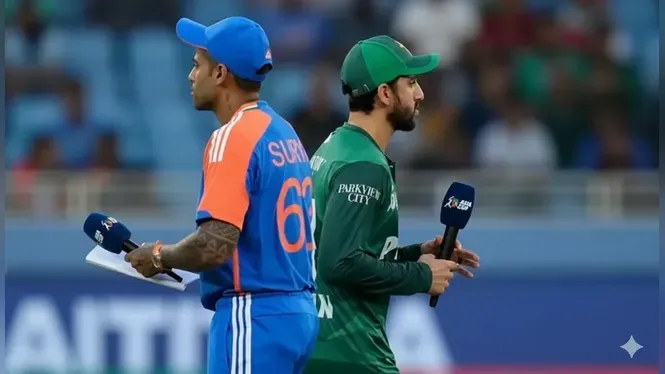
Pakistan Prime Minister Shahbaz Sharif has instructed the Pakistan Cricket Board (PCB) to keep "all options open" regarding their World Cup participation, with specific focus on their high-profile match against arch-rivals India. This comes after Bangladesh's sudden withdrawal from the tournament over security concerns, replaced last-minute by Scotland.
The PCB finds itself trapped between political pressure and contractual obligations. While PCB chairman Mohsin Naqvi confirmed a final decision would come by Monday, multiple reports suggest an outright tournament boycott remains unlikely. Instead, Pakistan appears to be weighing targeted protests - including potentially forfeiting their India match in Colombo - to register dissatisfaction with ICC decisions.
ICC's Billion-Dollar Dilemma
At stake is cricket's most lucrative rivalry. India-Pakistan matches generate an estimated $400 million in advertising revenue alone for global tournaments. The ICC's current revenue distribution model heavily favors major cricket nations, with India contributing nearly 40% of global cricket income.
A Pakistan boycott of the India match would create immediate financial repercussions:
- Broadcasters could demand compensation for lost advertising revenue
- Sponsorship contracts may require renegotiation
- Future tournament valuations could decrease by 15-20%
The Domino Effect on Global Cricket
This standoff reveals how political interventions could destabilize cricket's financial ecosystem. The ICC's current hosting model depends on India participating in major tournaments - evidenced by their automatic qualification for every ICC event until 2031. Pakistan's protest highlights growing discontent with this power imbalance.
"When Bangladesh withdrew, the ICC simply replaced them with Scotland," noted a sports economist familiar with cricket governance. "But if Pakistan withdraws or boycotts key matches, the financial calculus changes completely. Broadcast partners have specific clauses about minimum India-Pakistan matches in their contracts."
Restructuring Cricket's Financial Playbook
The crisis presents an opportunity to create more resilient revenue models:
1. Decentralized Revenue Streams
Developing alternative income sources beyond India-centric broadcasting deals, including:
- Expanded digital streaming rights
- Regional sponsorship packages
- Performance-based revenue sharing
2. Political Risk Insurance
Implementing financial safeguards for tournaments affected by geopolitical conflicts:
- Mandatory political risk coverage for host nations
- Contingency funds for last-minute participant changes
- Clear compensation frameworks for broadcast partners
3. Flexible Hosting Models
Moving away from single-nation hosting to distributed models:
- Pre-approved neutral venues for high-risk matches
- Multi-country hosting as standard practice
- Modular tournament structures allowing team substitutions
The Road Ahead for Cricket Diplomacy
As Pakistan finalizes its World Cup position, the PCB faces competing pressures. Boycotting the India match satisfies domestic political demands but risks financial penalties from ICC agreements. Participating without protest could be seen as capitulation to cricket's unequal power structures.
The ICC finds itself at a crossroads. Its current systems weren't designed for frequent geopolitical disruptions in an increasingly volatile world. How cricket's governing body responds to this crisis could determine whether the sport evolves into a truly global enterprise or remains hostage to regional politics.
With the T20 World Cup approaching, all eyes remain on Pakistan's Monday decision. But regardless of their choice, this confrontation has already exposed fundamental flaws in cricket's business model that demand urgent attention. The survival of cricket as a unified global sport may depend on how quickly the ICC can adapt to this new reality of political interventions shaping sporting calendars.