650+ Foreign Cricketers Join Lanka Premier League Draft - A Global Talent Revolution
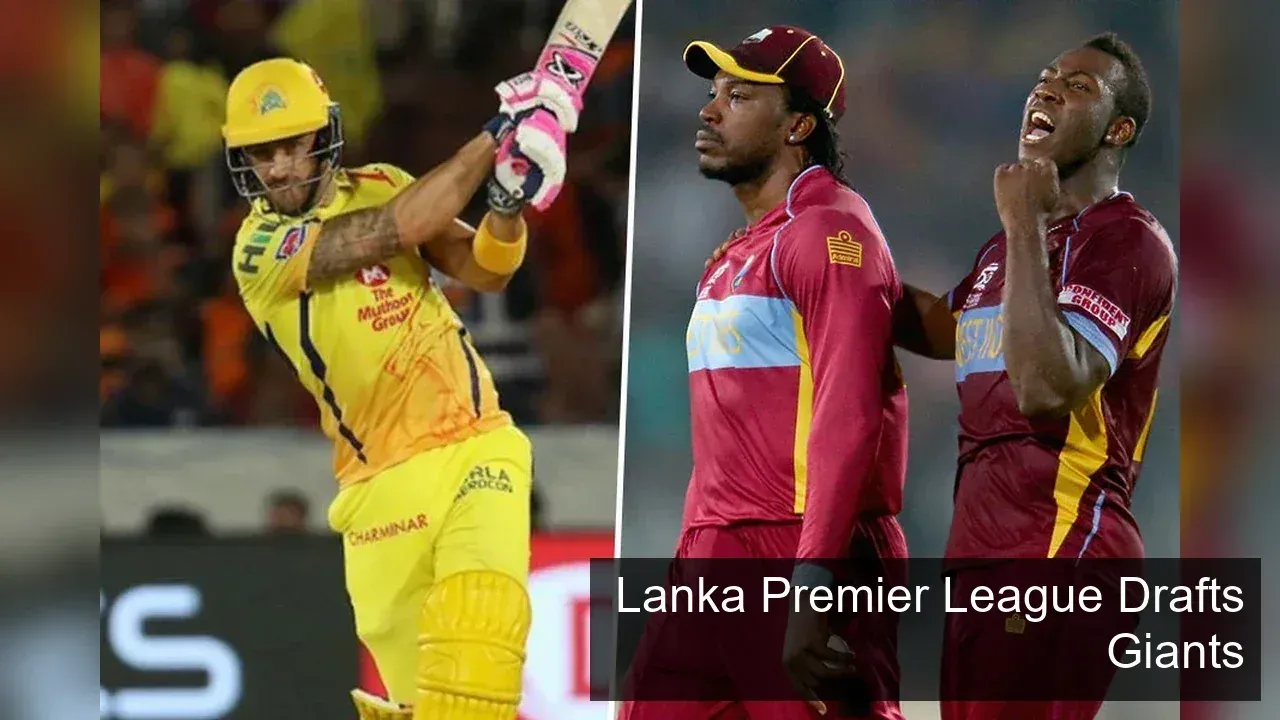
The Lanka Premier League is witnessing a massive influx of international talent with over 650 foreign cricketers registering for the draft. This surge, led by players from Pakistan, West Indies, and South Africa, signals a new era where athletic skill meets digital influence.
The landscape of franchise cricket is undergoing a significant transformation, as evidenced by the latest registration numbers for the Lanka Premier League (LPL). In a move that underscores the tournament's growing international appeal, more than 650 foreign cricketers have officially registered for the LPL draft. This massive wave of interest demonstrates a global shift in how professional cricket is structured, blending high-level athletic competition with the strategic necessity of digital reach and brand visibility.
A Global Surge in Registrations
The scale of the LPL draft pool highlights the tournament's ability to attract talent from across the cricketing world. With over 650 overseas players now in the mix, the competition for spots within the league has intensified. This international interest is not evenly distributed across all nations, as specific regions have shown a higher propensity for registration. Pakistan currently leads the overseas registrations, followed closely by the West Indies and South Africa.
The high volume of registrations from these three nations—Pakistan, West Indies, and South Africa—indicates a strong desire among players from these regions to integrate into the LPL ecosystem. This influx of talent ensures that the tournament will feature a diverse array of playing styles and skill sets, elevating the overall quality of the competition on the field.
The Intersection of Sport and Digital Branding
Beyond the physical boundaries of the cricket pitch, the Lanka Premier League is redefining the criteria for player eligibility and categorization. In a departure from traditional sporting metrics, the LPL draft criteria now include social media followers as a factor for determining player categories. This decision reflects the modern reality of franchise cricket, where a player's value is no longer measured solely by their batting average or bowling figures, but also by their digital footprint.
By incorporating social media metrics into the draft process, the LPL is explicitly blending sport with branding and digital reach. This approach recognizes that in the current sporting economy, a player's ability to engage a global audience via digital platforms is a critical asset. The integration of these metrics suggests that the league is prioritizing not only athletic excellence but also the ability to drive fan engagement and commercial growth through social media influence.
Analyzing the Modern Franchise Model
The LPL's current trajectory serves as a case study in the evolution of the modern sports franchise. The registration of over 650 foreign cricketers proves that the league has become a viable and attractive destination for international professionals. When combined with the "bizarre" social media rule for eligibility, it becomes clear that the LPL is positioning itself as a digitally-forward entity.
This strategy allows the league to maximize its visibility. By selecting players who possess both the skill to compete at a high level and the following to attract viewers, the LPL creates a symbiotic relationship between the athlete and the brand. The dominance of registrations from Pakistan, South Africa, and the West Indies further expands the league's potential reach into these key cricketing markets, amplifying the tournament's global footprint.
Conclusion: A New Era for the LPL
The Lanka Premier League is no longer just a regional tournament; it is a global talent hub. With more than 650 foreign cricketers registered and a draft process that values digital influence as much as athletic prowess, the LPL is setting a precedent for how future sports leagues may operate. The leadership in registrations from Pakistan, the West Indies, and South Africa ensures a high level of competition, while the focus on social media followers ensures that this competition reaches the widest possible audience. As the league continues to blend sport with digital branding, it paves the way for a revolution in how cricket is marketed and consumed on a global scale.